Why Fans of Hidden Object Games Should Try the Morels Series
Have you ever heard of the Morels series? Well, if you’re a hidden object games fan, you should try the Morel series and we’ll tell you why.
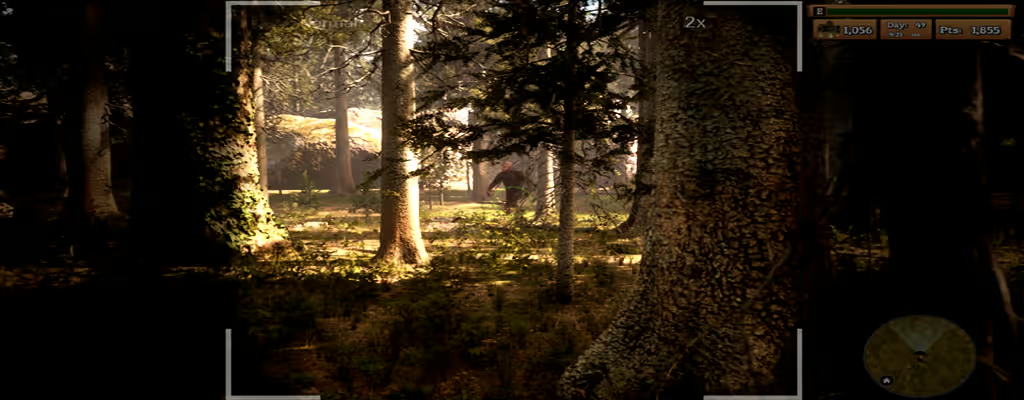
That is why the Morels series makes so much sense for players who enjoy hidden objects games online. It takes that same careful attention and moves it somewhere quieter, greener, and less packed with antique clocks. Instead of scanning a crowded attic or a mysterious mansion, you are paying attention to nature. Leaves matter. Shadows matter. The ground suddenly has opinions.
It feels like searching, not rushing
A lot of hidden object games are built around visual pressure. Find the list. Beat the clock. Click the tiny umbrella before your eyes start negotiating with your patience. That can be fun, but it can also make the whole thing feel like a staring contest with clutter.
Morels has a softer kind of search. The pace feels more like walking through a place and slowly noticing what is around you. That is a nice change if you like observation but do not always want the game to act like you are defusing a bomb made of picture frames.
The details do the talking
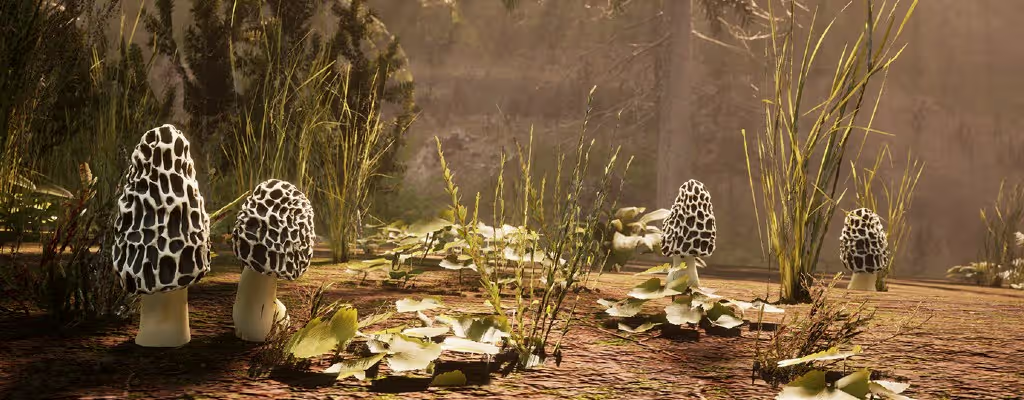
What makes the Morels series appealing is the way it rewards attention without turning every scene into a junk drawer. Nature is already full of hiding places. A mushroom can blend into leaves. An animal can sit in plain sight and still vanish because your brain was too busy looking at the wrong patch of grass.
That kind of searching feels different from spotting objects in a decorated room. It asks for patience. It asks you to slow down. It also makes you feel weirdly proud when you notice something small, like you and the forest just shared private gossip.
It gives hidden object fans a new mood
The Morels series is not trying to copy traditional hidden object games. That is the good part. It gives similar players a different flavor of the same skill. You are still scanning. You are still recognizing shapes. You are still training your eyes to catch what others miss. But the mood changes. Instead of dramatic mystery music and rooms full of suspicious furniture, there is open air, natural color, and the calm tension of wondering what you might find next. It feels less like solving a staged puzzle and more like being rewarded for curiosity.
The photography angle adds charm
Another reason hidden object fans may enjoy it is the photography side. Finding something is satisfying, but capturing it gives the moment a little extra weight. It turns the search into a collection of discoveries rather than just a list of completed tasks. That matters because hidden object players usually enjoy the little victory of recognition. Morels stretches that feeling out. You notice something, move closer, frame it, and suddenly the reward feels more personal.
It is a fresh kind of familiar
Players who love free hidden object games might enjoy the Morels series because it does not throw away what they already like. It just changes the setting and slows the rhythm. The pleasure is still there: careful eyes, small surprises, satisfying discoveries, and that quiet “wait, I see it” moment. The series works because it understands that searching can be relaxing when the world is interesting enough. Sometimes the best hidden object scene is not a dusty room at all. Sometimes it is a forest floor, minding its business, hiding tiny treasures like it has a secret career.
Related Articles