What Happens When AI Designs a Hidden Object Game Scene?
It’s all about crafting the perfect scene to manipulate the players so, the question is, what happens when AI designs a hidden object game scene?
When AI designs a hidden object scene, it does not gently place a lamp, a key, and a teacup on a tidy table. It arrives like an eccentric set designer with no bedtime. Suddenly there is a velvet chair, six postcards, a cracked mirror, a sleepy cat, a compass inside a fruit bowl, and a curtain pattern that looks guilty.
That is exactly where free hidden object games could get interesting. Ai can produce busy rooms with unusual textures, strange color choices, and little visual accidents that feel fresh. The danger is that it may confuse “rich detail” with “throw everything into the room and let the player suffer.”
Clutter needs manners
A great hidden object scene is not just a pile of stuff. It is clutter with manners. The mess has to look natural enough that the player believes someone lives there, but sneaky enough that finding the object still feels like a small private victory.
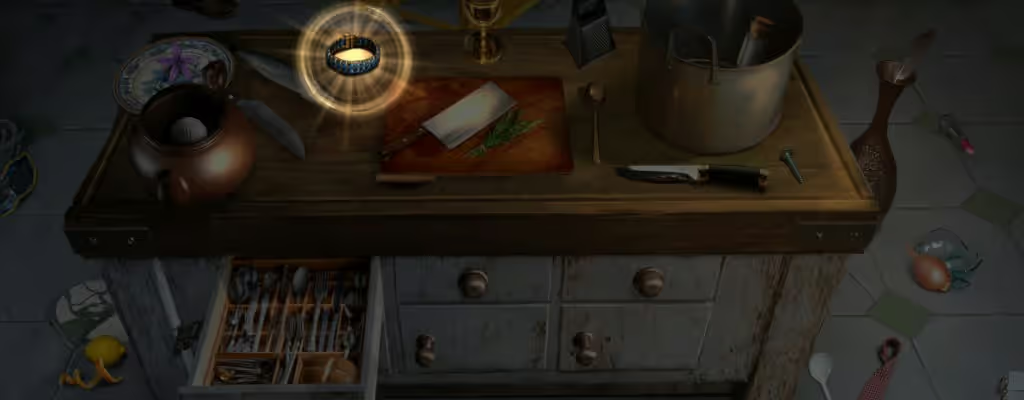
Ai can help create that lived in feeling quickly. A kitchen can have flour on the counter, receipts near the sink, a spoon half hidden under a towel, and sunlight landing in the exact place where the player gets distracted. The scene feels casual, but every corner is secretly doing a job.
The best hiding spots feel fair
The big challenge is fairness. If the player is hunting for a feather, it should not be the same color as the wallpaper, smaller than a comma, and tucked behind a plant that looks like it was painted during a fever. That is not clever. That is rude with pixels.
Ai could learn to hide objects in ways that feel playful instead of cruel. It might tuck a ring into a jewelry box, blend a button into a sewing table, or place a ticket among scattered letters. The player should squint, search, and then grin when they spot it. Not sigh like they have been personally attacked by a drawer.
Mood can do half the work
One thing AI is good at is mood. Give it a foggy train station, a magician’s dressing room, an abandoned bakery, or a messy seaside cottage, and it can build a scene with instant flavor. That mood matters because players are not only searching for objects. They are snooping. A good scene makes people wonder what happened before they arrived. Why is there a broken clock on the floor? Who left muddy shoes beside the piano? Why is there a pearl necklace in a toolbox?
The weirdness needs a human editor
Ai can make scenes fast, but speed is not taste. Without a human eye, things can get too shiny, too crowded, too random, or too obviously strange. A room can look beautiful and still be bad to play if the objects melt into each other or the layout gives your eyes a headache. Designers still matter because they understand rhythm. They know when to leave empty space, where the eye naturally travels, and when a joke object belongs in the corner instead of screaming in the middle of the screen.
The future looks more playful
The best future for hidden object games is not ai replacing artists. It is ai giving them a bigger box of odd little toys. More scene ideas. Faster drafts. Stranger rooms. Better variations for different players. Used well, AI could make every scene feel less copied and more handcrafted, even when the first spark came from a machine. The fun will still come from that human feeling of discovery, where a player finds the missing object and thinks, with honest relief, “There you are, you sneaky little thing.”
Related Articles