How the Morels Series Reinvents the Hidden Object Game Formula
It’s about time we saw some changes in the hidden objects genre and, the Morels series has reinvented the genre. We’ll tell you how.
There are two kinds of hidden object players. The first carefully scans every corner of the screen like a detective solving the case of the missing teacup.
The second confidently clicks on something that turns out to be...a decorative potato. Well, it wouldn’t be wrong to admit that we’ve been both.
That's probably why hidden object games online remains such an easy recommendation. That’s one of the best things about hidden object games. Spotting that tiny needle to solve a crime in a scene just gives that amazing sense of accomplishment. They’re cozy, they’re challenging, and the pacing just makes them too good to resist.
Then along comes the Morels series. You’ve heard of it, haven’t you. We know you have if you’re into HOGs. Instead of simply asking us to find another list of objects, it quietly changes the way we think about the whole genre.
It treats every scene like a place
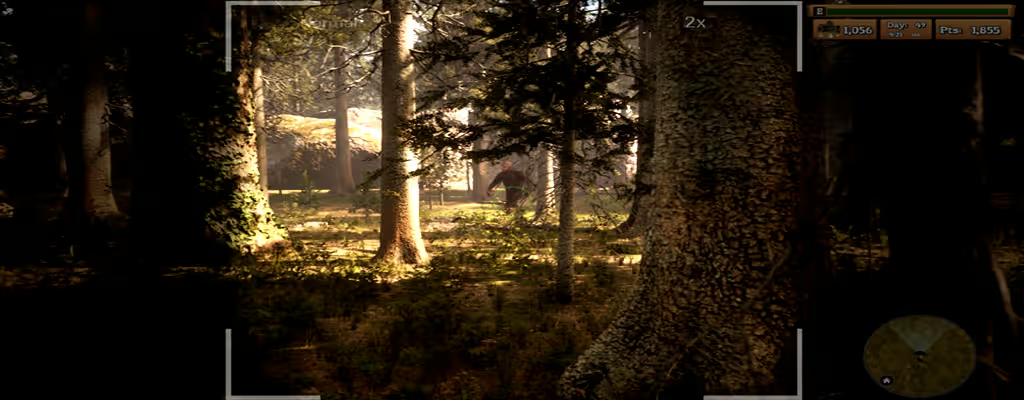
One thing we noticed almost immediately is that the environments don't feel like giant collections of random items. They feel lived in.
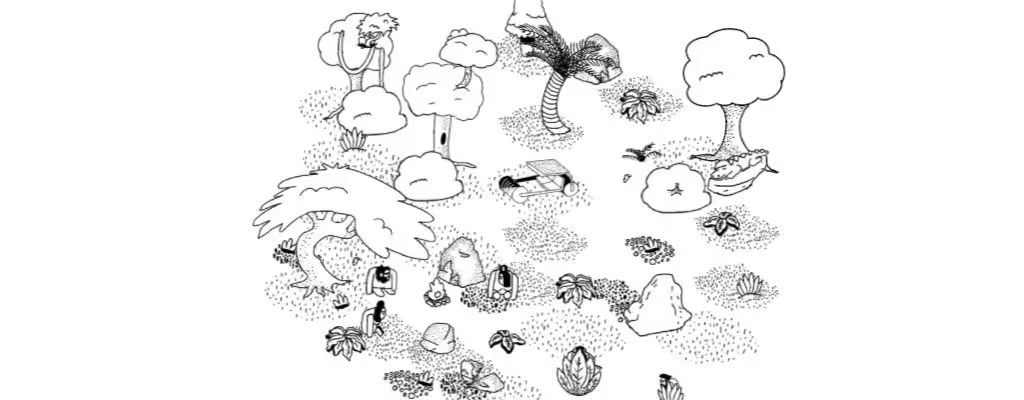
In plenty of hidden object games, objects are scattered everywhere because...well, the game needs something for us to find. After a while, the scenes start feeling more like puzzles than actual locations.
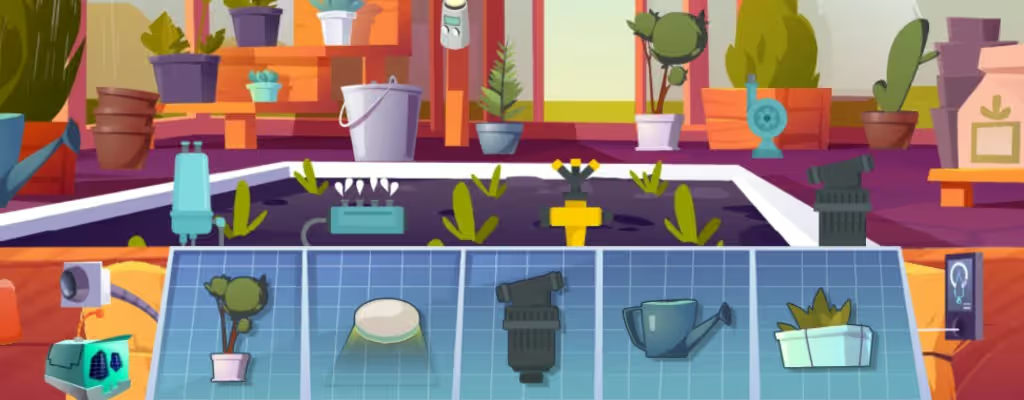
The Morels series goes in another direction. Rooms look like rooms people actually used. Workshops feel busy for believable reasons. Gardens have a natural kind of clutter instead of chaos for the sake of difficulty. Oddly enough, that makes searching more enjoyable.
Looking isn't the only challenge
Here's something clever.
The games aren't constantly trying to trick us. Instead, they're encouraging us to pay attention. That's a subtle difference, but it changes the mood completely.
Rather than hiding objects behind absurd visual jokes or impossible placements, the Morels series rewards observation. The solution often feels fair once we finally spot it.
You know that moment when you suddenly laugh because the object has been sitting in front of you the entire time? These games seem to create a lot of those.
The slower pace actually helps
Not every game benefits from slowing down. This game absolutely does.
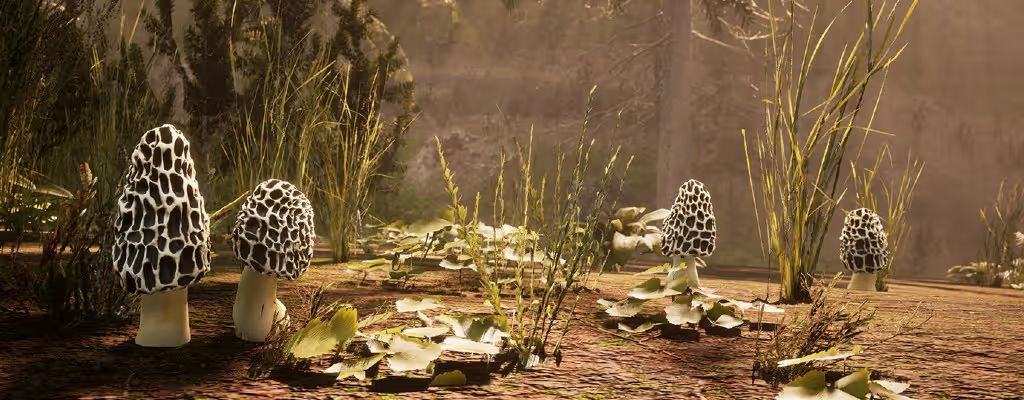
The Morels series understands that players aren't rushing through scenes because they're desperate to reach the ending. They're there because they enjoy spending time inside these beautifully illustrated environments.
So the games let us breathe. We stop noticing the timer. We start noticing the artwork.
It remembers that curiosity is fun
The best hidden object games don't just reward sharp eyesight. They reward curiosity.
Every completed scene makes us want to look around a little longer, even after we've already found everything on the list. We start noticing little background details, wondering about the people who might live there, or admiring tiny visual touches that weren't part of the puzzle at all.
The Morels series leans into that feeling instead of rushing us toward the next screen. It quietly trusts us to enjoy looking around.
Familiar ideas, fresher execution
One thing we appreciate is that the series doesn't spend its time trying to reinvent every rule. It keeps the parts people already love.
We're still searching carefully. We're still experiencing that tiny burst of satisfaction whenever the last missing object finally reveals itself.
The difference is how naturally everything fits together. The scenes feel more believable, the pacing feels more relaxed, and the experience starts feeling less like completing a checklist and more like wandering through beautifully crafted spaces with a purpose.
That's why it stands out
There are plenty of excellent hidden object games, and that's exactly why standing out isn't easy anymore.
The Morels series manages it without flashy gimmicks or dramatic reinventions. Instead, it focuses on atmosphere, thoughtful scene design, and the simple pleasure of careful observation. It reminds us that the genre has never really been about finding objects as quickly as possible.
It's about the joy of noticing things we'd otherwise walk straight past.
Related Articles