How AI Is Turning Hidden Object Games Into Smarter Puzzle Experiences
When it comes to AI, you can be that it’s there to improve the gaming experience and, today, we’ll be discussing how AI is turning HOGs into smarter puzzle experiences.
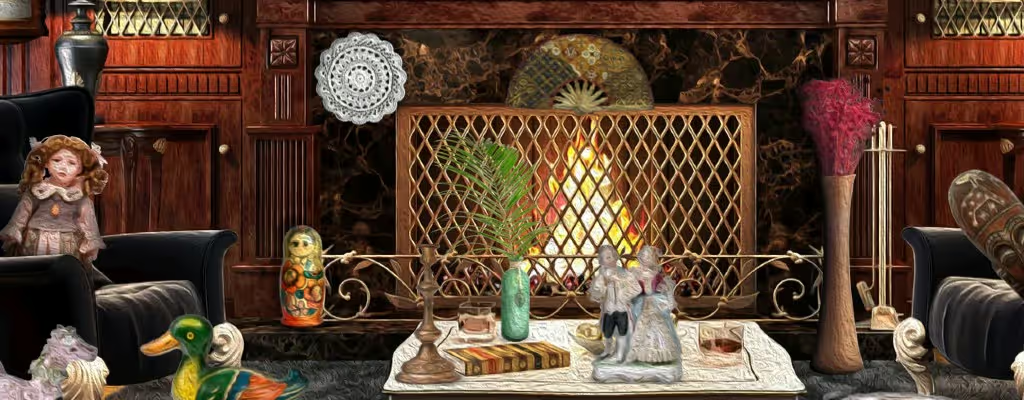
Hidden object games used to have one simple job. Show a crowded scene, give players a list, and let the eye hunting begin. Somewhere between the dusty lamp, the cracked vase, the suspiciously shiny spoon, and the cat that absolutely looked like a handbag, there was the item you needed. That formula still works. People love looking closely. People love spotting what others miss. People also love feeling like detectives without needing to wear a trench coat indoors.
But AI is starting to change what hidden objects games online can feel like. Not by removing the classic search, but by making the scene respond better to the player. The game can notice how you play, where you struggle, and what kind of challenge keeps you interested.
Scenes can become less predictable
Old hidden object scenes were usually fixed. The comb was always near the mirror. The key was always under the book. The feather was always somewhere annoying because feathers apparently enjoy being difficult. AI can help make layouts more flexible. Objects can be placed in smarter ways, not just randomly thrown into the scene like someone emptied a drawer during an argument. A good system can understand visual clutter, color contrast, object size, and hiding difficulty.
That means the game can create scenes that feel fair but not obvious. A red apple hidden beside red flowers may be harder. A silver key near grey tools may take more patience. The trick is making players squint thoughtfully, not angrily question the designer’s eyesight.
Hints can stop being useless
Bad hints are a crime against patience. Sometimes a hint just flashes a vague area and leaves you wondering if it helped or simply judged you. AI can make hints more useful by understanding the player’s actual behavior. If someone keeps tapping the wrong corner, the game can guide them gently. If they are close to the object, maybe the hint stays subtle. If they have been stuck for five minutes, maybe it becomes clearer.
That kind of help feels less robotic. It is not just, “Here, look there.” It is more like, “You are warm, but please stop accusing the curtain.”
Difficulty can adjust quietly
Not every player wants the same challenge. Some people want a calm five minute search. Some want a tough puzzle that makes their eyes work overtime. Some just want to relax after a long day and find a teacup without entering a visual courtroom. AI can adjust difficulty quietly. It can offer easier item lists to beginners, trickier hiding spots to experienced players, or mixed scenes for people who like variety. It can also notice when a player is breezing through levels too fast and add a little more bite.
The best part is that this does not need to feel obvious. Nobody wants a pop up saying, “We noticed you are bad at finding scissors.” Rude. Just make the next level feel better.
Stories can react more naturally
Hidden object games often use mystery stories, old houses, lost letters, strange towns, and rooms full of objects nobody has dusted since 1942. AI can make those stories more reactive. Characters could comment on what players find first. Scenes could unlock clues in different orders. Dialogue could change slightly depending on how quickly someone solves a room. The story does not need to become massive. Just a little more alive.
Smarter does not mean busier
The danger, of course, is overdoing it. Hidden object games should not become loud, complicated machines that need twelve menus and a motivational speech. Their charm is still in looking carefully, noticing details, and feeling that tiny victory when the missing item finally appears. AI should support that, not smother it. That is why free hidden object games could become much more interesting in the future. Smarter scenes, better hints, fairer difficulty, and more reactive stories can make the genre feel fresh without losing its cozy little soul.
Related Articles