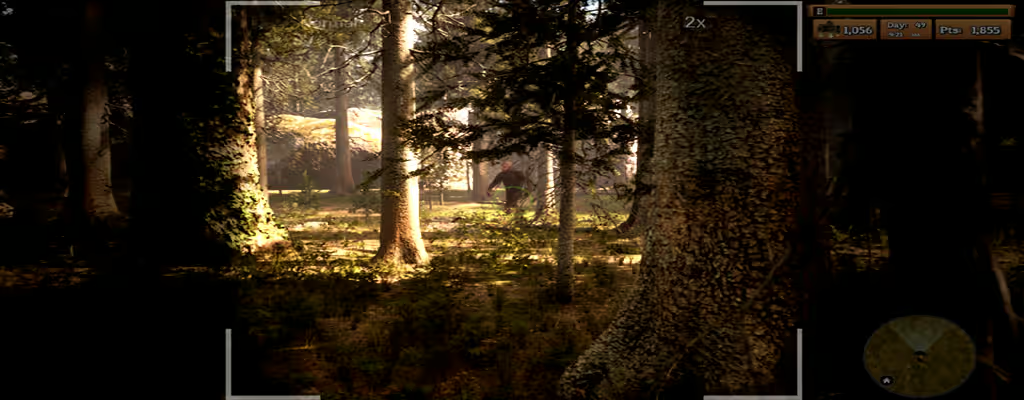
Can You Spot It Fast Enough? Why Hidden Object Challenges Go Viral Online
It’s all about having that eagle-eyed vision to spot the small details. Let’s see why hidden object challenges go viral online.
Hidden object challenges look so innocent at first. A messy room. A crowded beach. A jungle scene. A cartoon kitchen with too many mugs and one suspicious banana. Then the caption says, “Can you find it in 10 seconds?” and suddenly your entire personality is on trial. That is the magic of hidden objects games online. They do not need a dramatic setup. They simply hand your brain a small visual dare. Find the cat. Spot the key. Notice the tiny umbrella hiding somewhere it has no business being. Easy, right? Famous last words.
They create instant competition
People love these challenges because they are quick to understand and very easy to argue about. One person finds the object in three seconds and immediately becomes unbearable. Another person stares for two minutes and starts accusing the image of fraud. That social reaction is exactly why these puzzles spread. They are not just games. They are tiny tests people send to friends with the energy of, “Let’s see if you are as blind as I was.”
Nobody needs instructions. Nobody needs a tutorial. The whole challenge is right there on the screen. Look carefully. Beat the clock. Try not to zoom in like a detective with trust issues.
The brain likes the hunt
Hidden object games work because searching feels satisfying. Our brains enjoy patterns, but they enjoy broken patterns even more. When something is tucked into a busy scene, the mind starts scanning, sorting, comparing, rejecting, returning, doubting itself, and then suddenly, there it is. That moment of finding the object is weirdly rewarding. Not huge reward. Not fireworks. More like a small internal nod. “Yes. I saw through your nonsense.”
It is a clean little victory. That matters. Online content moves fast, and hidden object challenges offer a win in less than a minute.
The frustration is part of the flavor
A hidden object challenge that is too easy dies quickly. One that is impossible also gets annoying. The sweet spot is the puzzle that makes players feel close. You know the object is there. You can feel it mocking you from somewhere in the pixels. That near success keeps people looking. It creates stubbornness. A player may have opened the puzzle casually, but now they are emotionally invested in finding a spoon the size of a fingernail.
They fit every platform
Hidden object challenges are made for the internet. They work on phones, tablets, laptops, social feeds, blogs, and random group chats that were originally about something else. They do not need sound. They do not need fast reflexes. They do not ask for a perfect connection or fancy hardware. A single picture can pull people in, which is why these challenges spread so easily across casual gaming spaces.
The best ones feel personal
What makes people remember a hidden object challenge is usually the reveal. When the object turns out to be sitting somewhere obvious, the player feels personally attacked. When it is hidden cleverly, they respect the trick. That emotional swing keeps the format alive. Surprise, annoyance, pride, disbelief. All from one tiny object hiding in plain sight.
The internet loves a quick challenge
Hidden object challenges go viral because they are simple, shareable, and oddly competitive. They make people pause, focus, squint, laugh, and send the puzzle to someone else. That is also why free hidden object games keep finding new fans. They give players a quick hunt, a small win, and just enough frustration to make the next challenge feel necessary. Tiny object. Big reaction. Very internet.
Related Articles