Are Hidden Object Games Too Focused on Checklists?
There’s always a checklist from which you have to check the items off once you’ve found them but, are hidden object games too focused on these checklists? Let’s discuss.
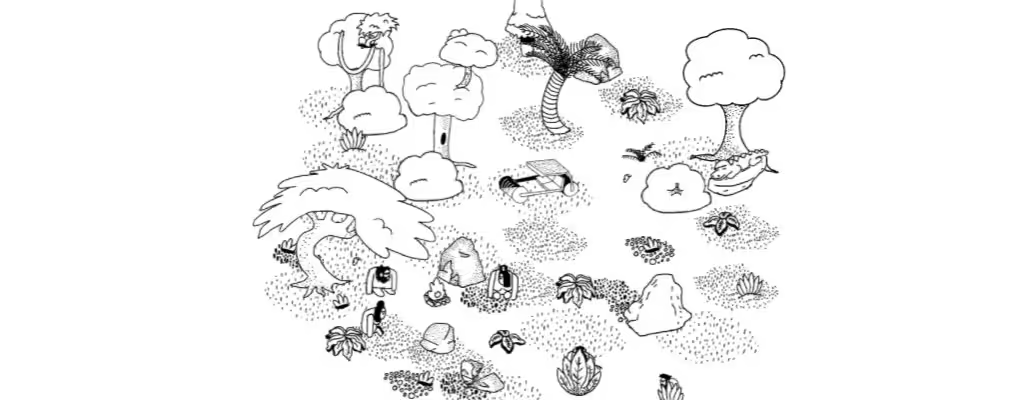
Hidden object games have a funny little habit. They throw you into a beautiful scene, maybe a dusty attic, a royal garden, a detective office, or a market stall with seventeen things happening at once. Then they hand you a list and say, “Find a comb, a feather, a clock, and something called a medallion.” And suddenly the scene is no longer a scene. It is a shopping receipt with furniture.
That is the strange thing about many free hidden object games. They look artistic, cozy, mysterious, even cinematic. But the moment the checklist appears, your brain stops admiring the room and starts hunting nouns.
Checklists are useful, but bossy
To be fair, the checklist has a job. It gives structure. Without it, players would just tap random objects and hope the game respects their curiosity. The list tells you what matters. It creates a goal. It makes progress visible. That works well because hidden object games need direction. Finding ten specific items feels satisfying. Each word crossed off gives a small “yes, good, continue” feeling. Very neat. Very tidy. Almost suspiciously tidy.
But the problem starts when the checklist becomes the entire experience. The player stops noticing the story, the atmosphere, the tiny details, and the clever scene design. Everything turns into object removal. A room full of secrets becomes a place where you need to locate scissors.
The best scenes deserve better
Some hidden object scenes are genuinely lovely. Artists fill them with clues, jokes, patterns, colors, and little background stories. A broken teacup near a letter. A cat hiding beside a suitcase. A painting tilted just enough to feel suspicious. But if the game only cares whether you found “rope,” players may rush past all of that.
That feels like a waste. A strong hidden object game should let the scene breathe. It should make players feel like they are exploring, not clearing a storage unit before rent is due. The checklist should guide the player, not flatten the whole picture.
Mystery makes searching better
Hidden object games become more interesting when the objects mean something. Finding a key is fine. Finding a key that opens the locked drawer in the same room is better. Finding a torn photo that explains why the room looks abandoned is much better. That is where the genre can move beyond checklist hunting. Objects can be clues. They can connect to a mystery. They can unlock memories, puzzles, character details, or story beats. Then the player is not just asking, “Where is the umbrella?” They are asking, “Why is this umbrella in a library?”
Variety saves the formula
Checklists also become tiring when every level follows the same rhythm. Enter scene. Read list. Find objects. Repeat until your eyes start negotiating with you. Good games mix things up. They add silhouettes, riddles, timed challenges, zoom areas, interactive objects, puzzle pieces, or scenes where the list changes as you investigate. Small twists help the game feel alive.
Players want discovery, not chores
The reason hidden object games remain popular is simple. People like noticing things. They like feeling sharp. They like spotting the tiny item everyone else missed. That pleasure is stronger when the game rewards observation, not just list completion. A checklist can create satisfaction, but discovery creates memory. That is why hidden object games free online work best when they balance clear goals with atmosphere, story, and surprise. The list should be the map, not the whole adventure.
Related Articles